My goal
I want to earn a place on SpaceX’s design team.
And contribute to how humans live beyond Earth.
My goal
And contribute to how humans live beyond Earth.
≈2,000 hoursOne question I still haven’t stopped asking:
My goal: SpaceX’s design team
What happens next?
Take the journeyOne object. Two lives.
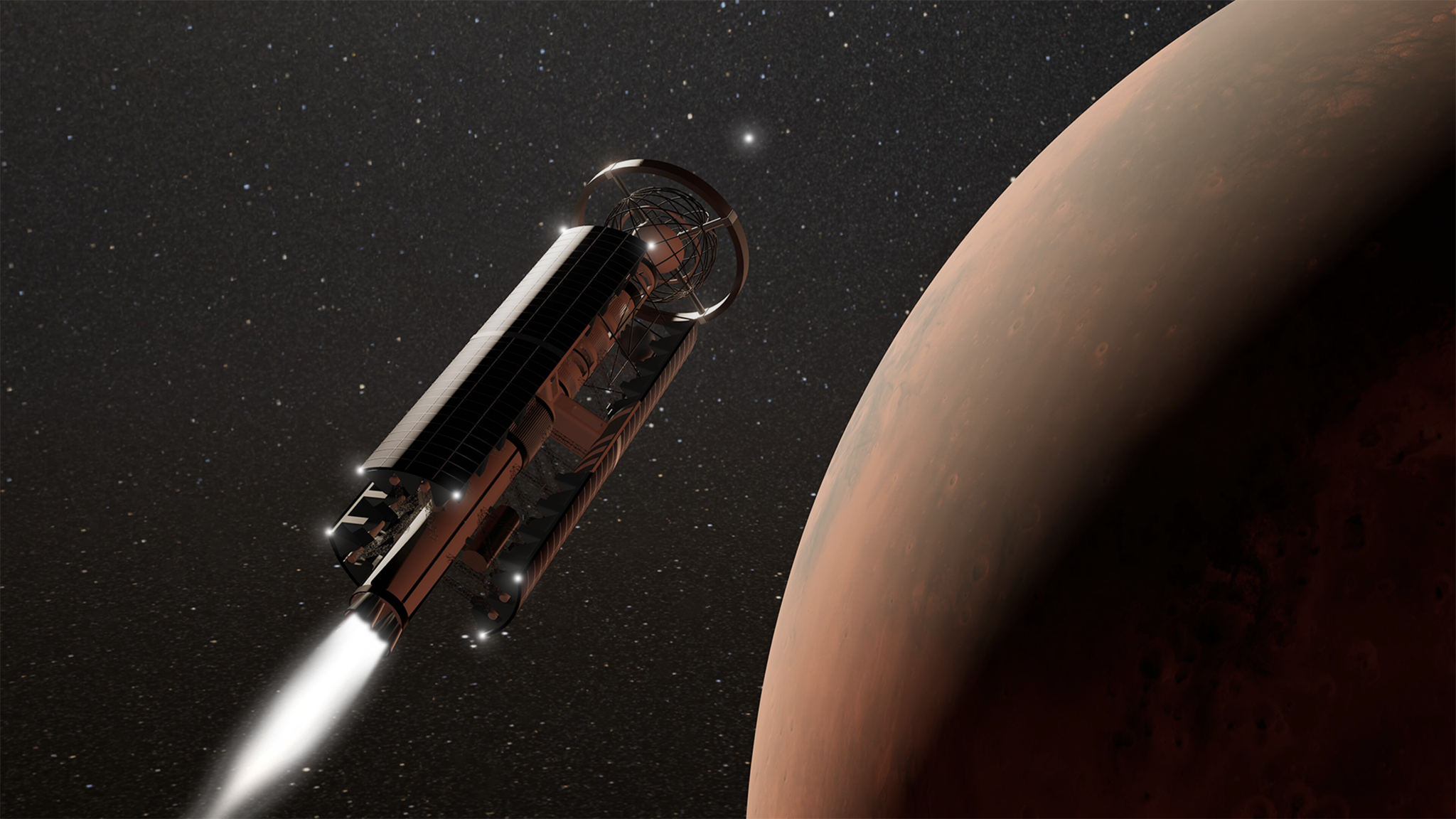
The journey does not end at landing. It changes state.
Selected technical studies
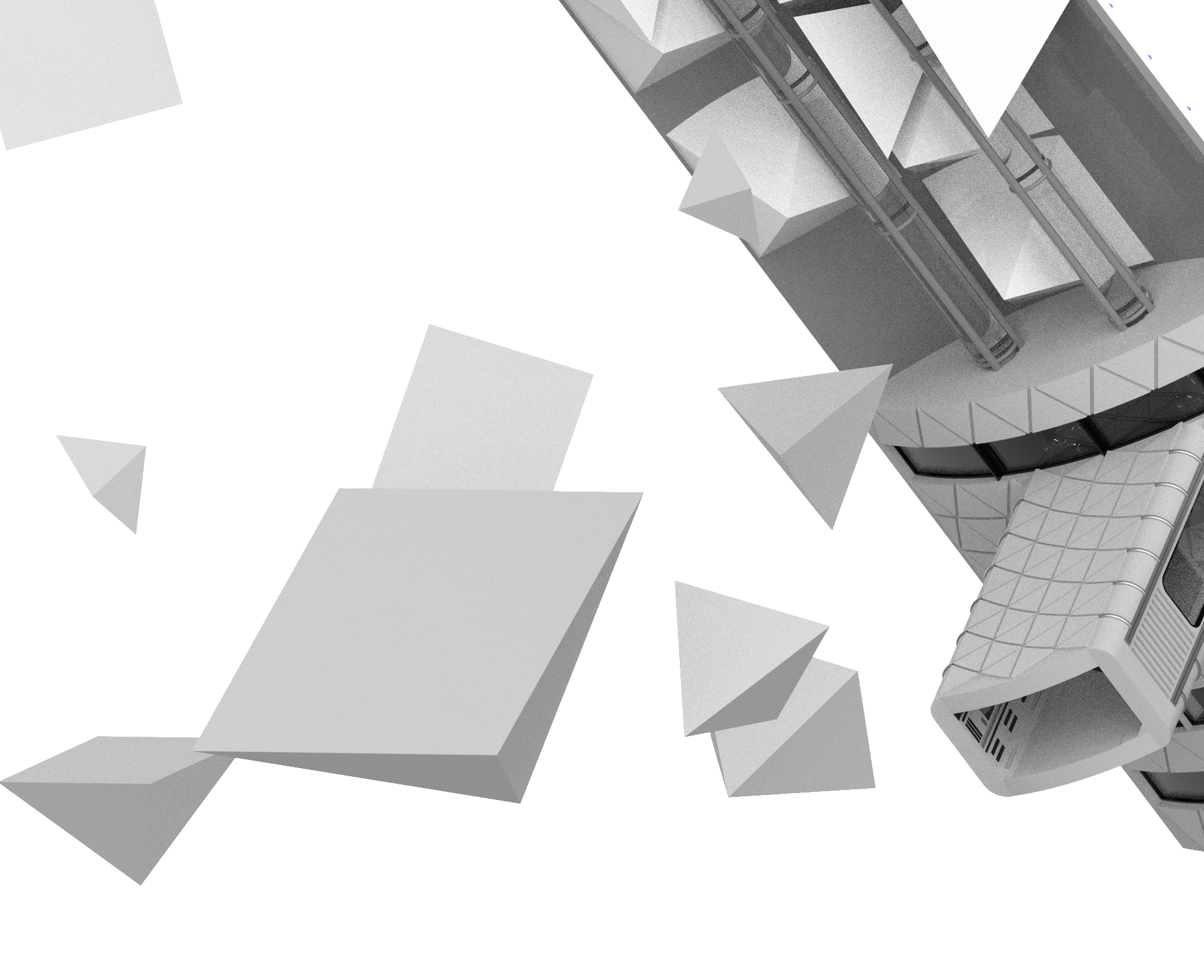
Three studies follow the same object through protection, release and occupation. They establish that a system exists without resolving every mechanism here.
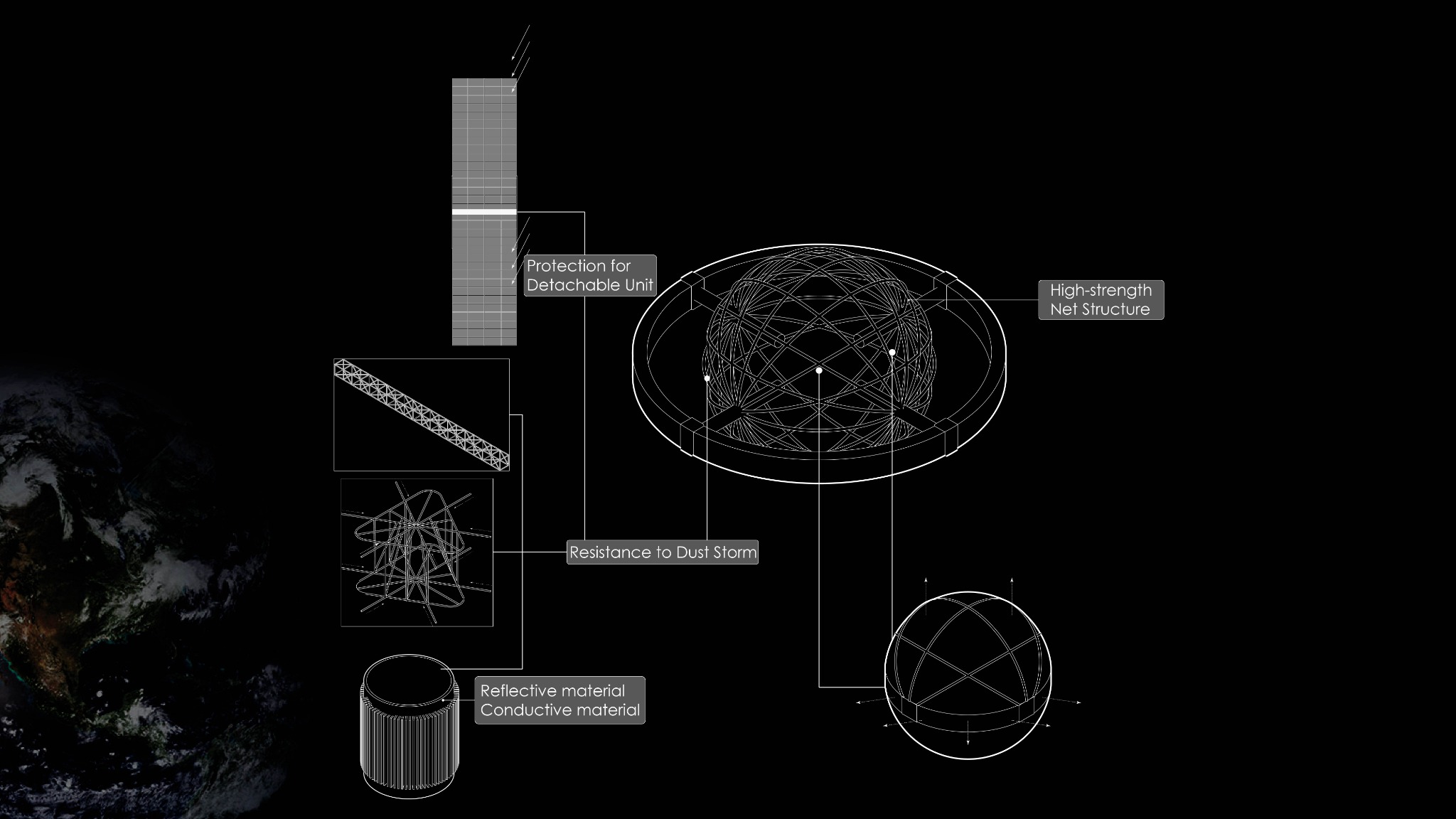
A protective layer and high-strength net respond to orbital exposure and Martian dust before the module becomes architecture.
 Open full image ↗
Active, hard and soft capture systems manage transfer. Foldable legs allow the released module to meet the surface.
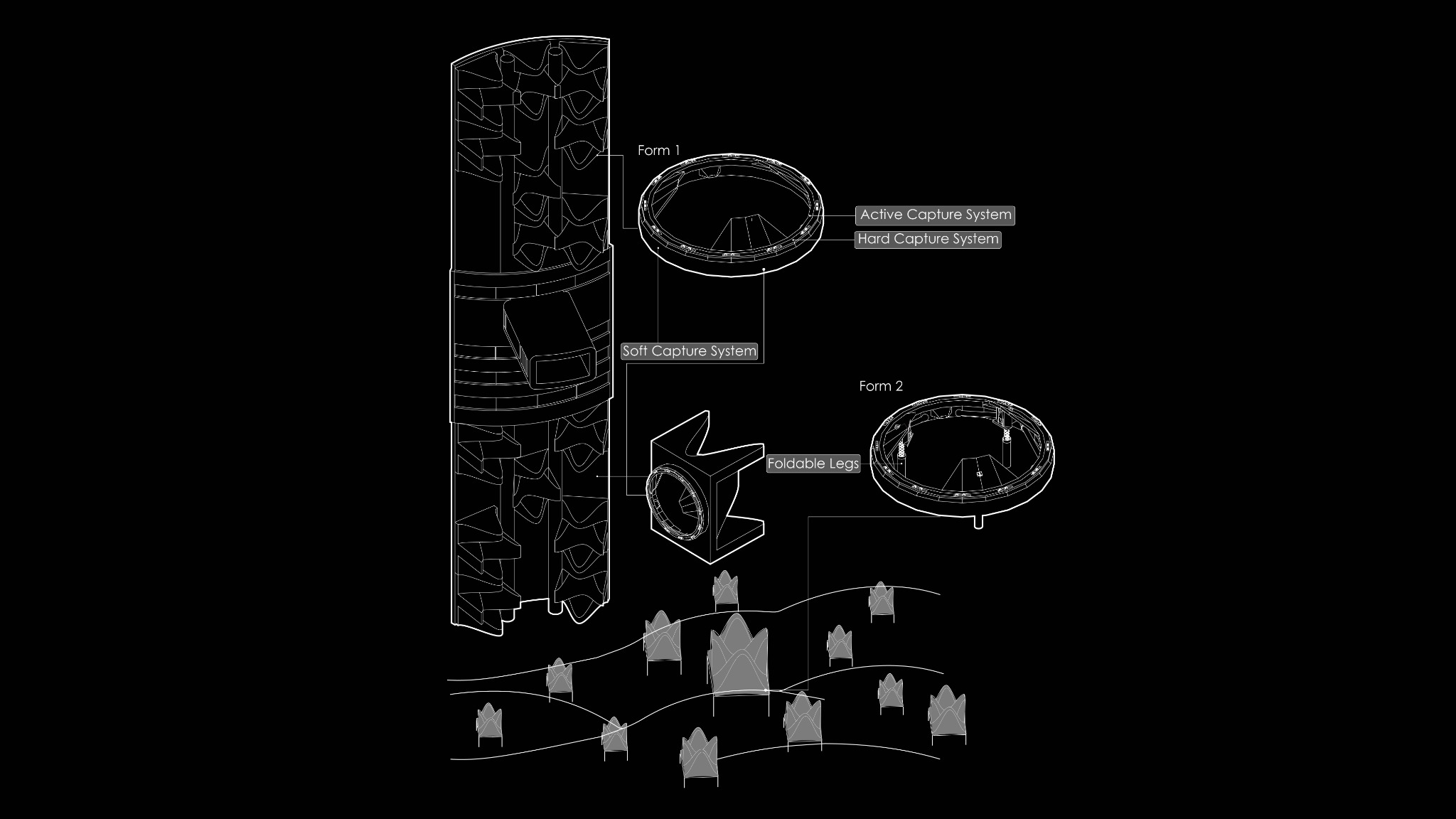 Open full image ↗
Soil, anchoring, stability, assembly, ventilation and resource distribution turn a landed object into a settlement system.
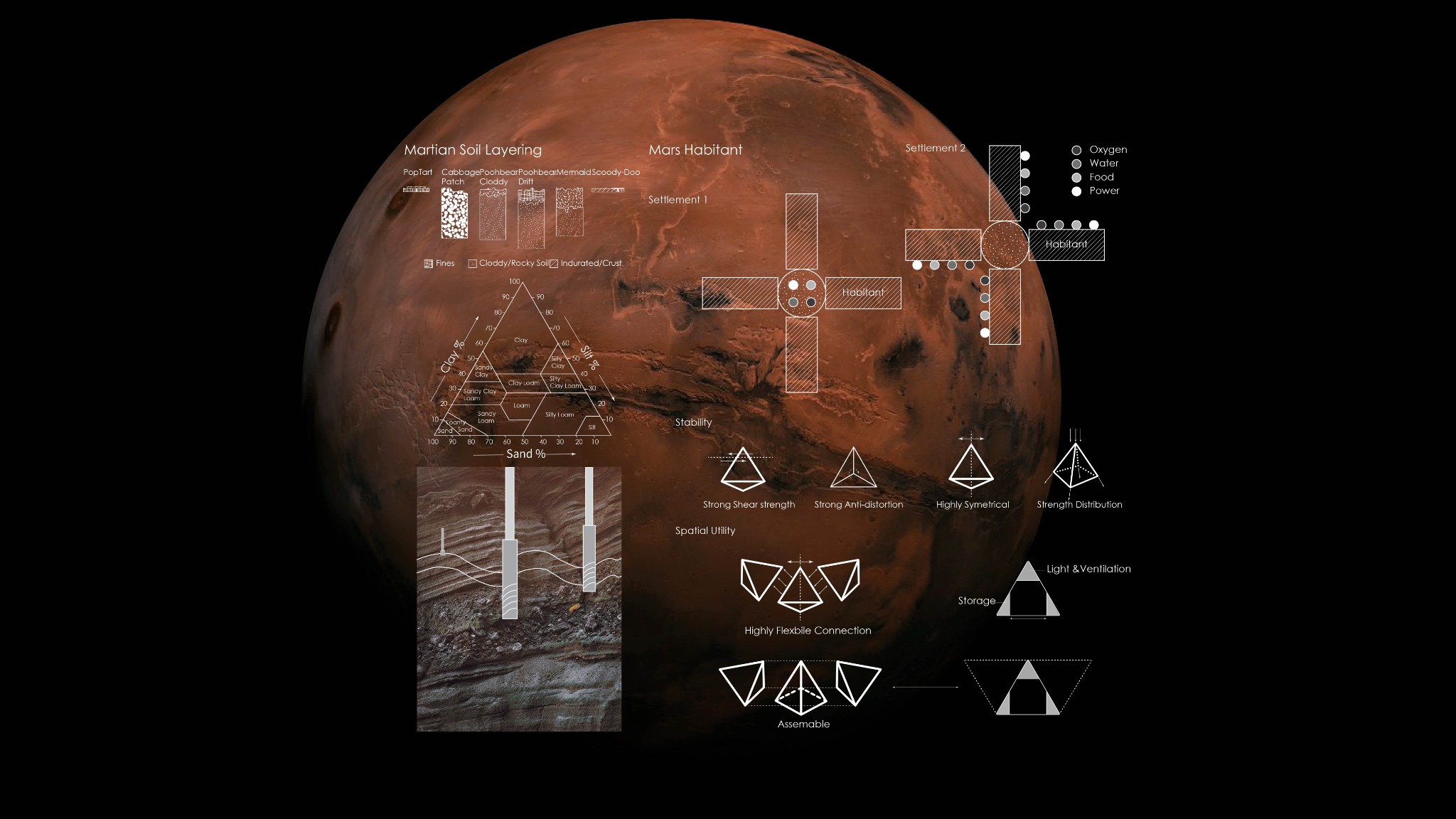 Open full image ↗
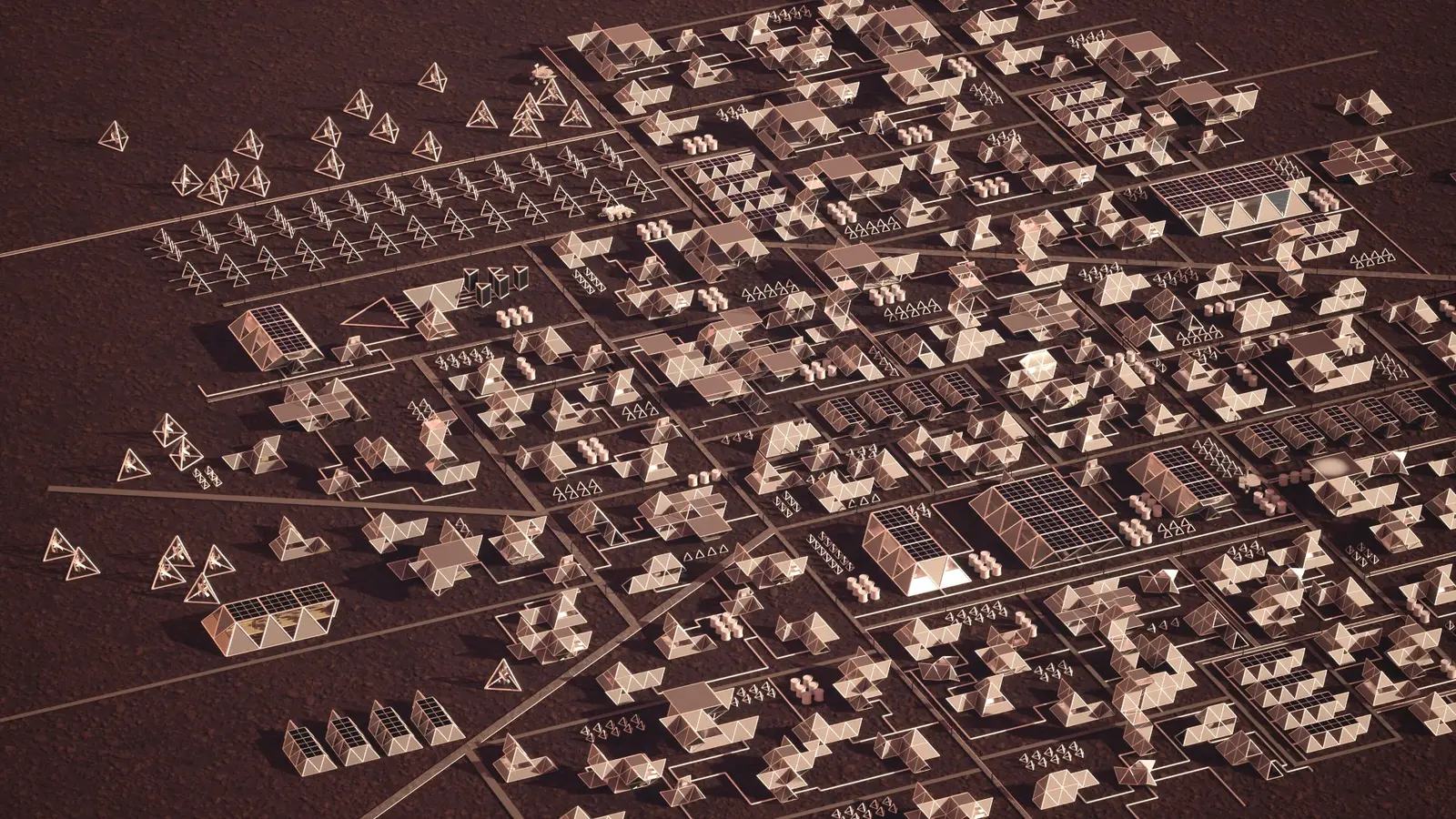
The object has reached the surface. The next question is scale.
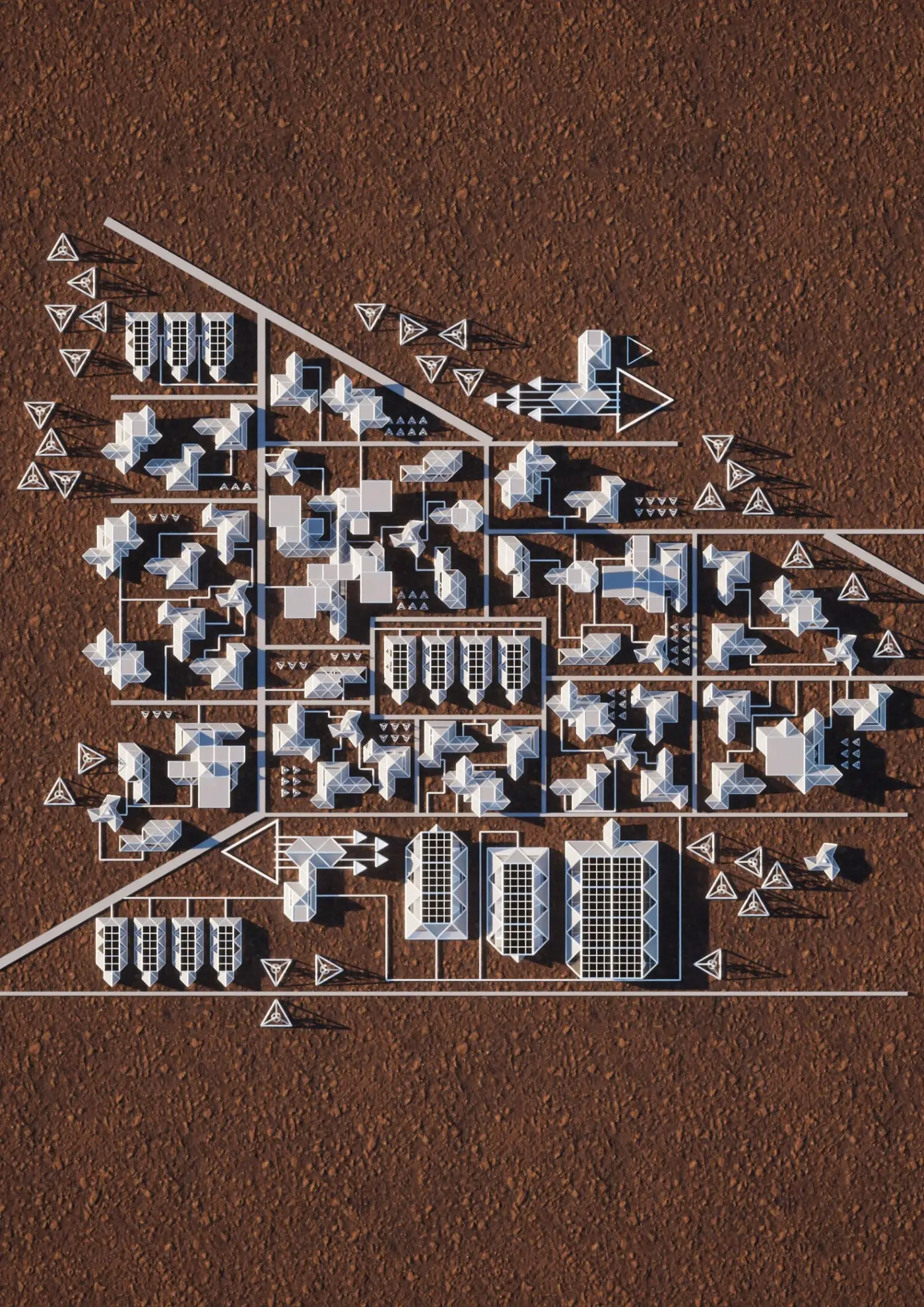
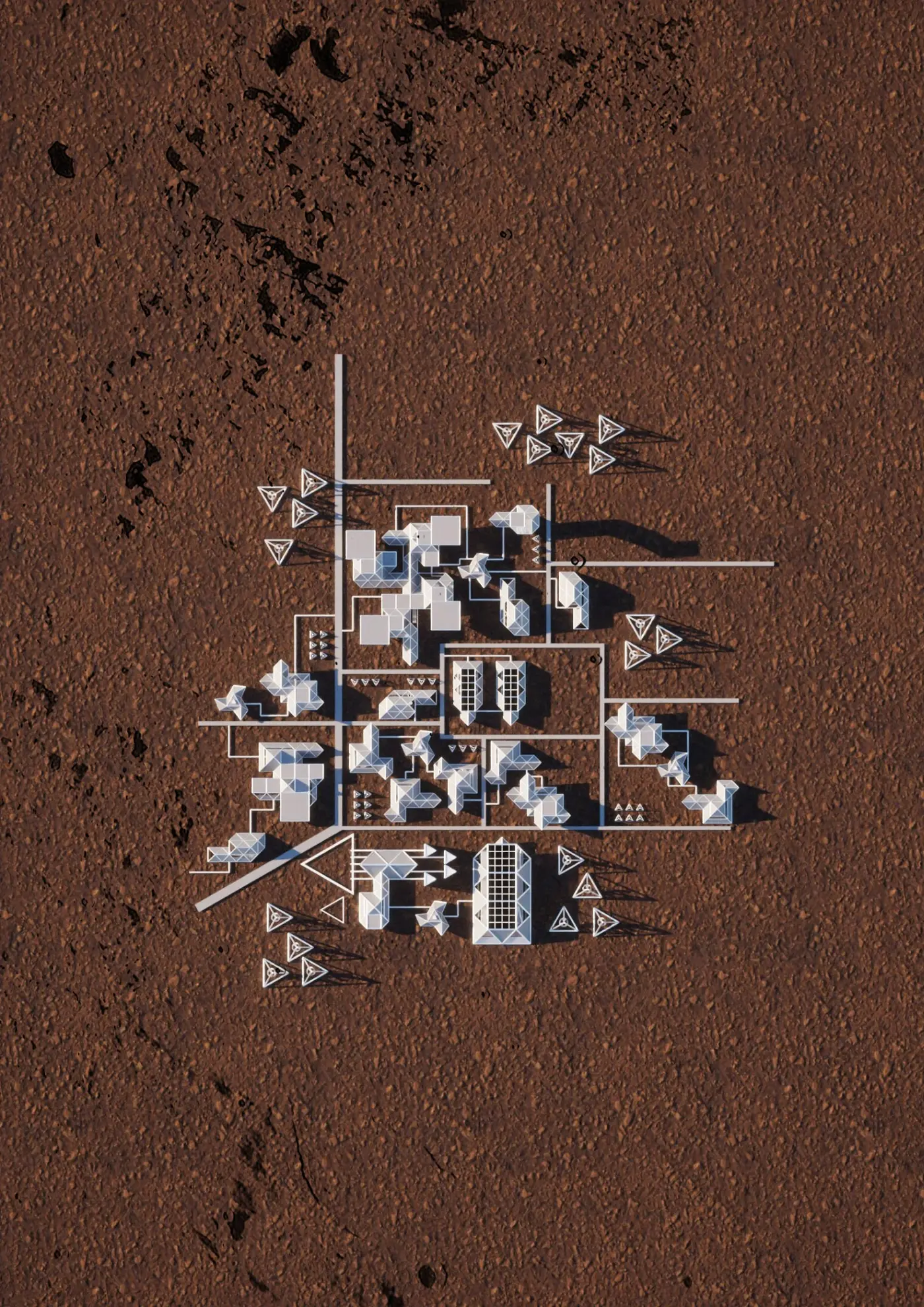
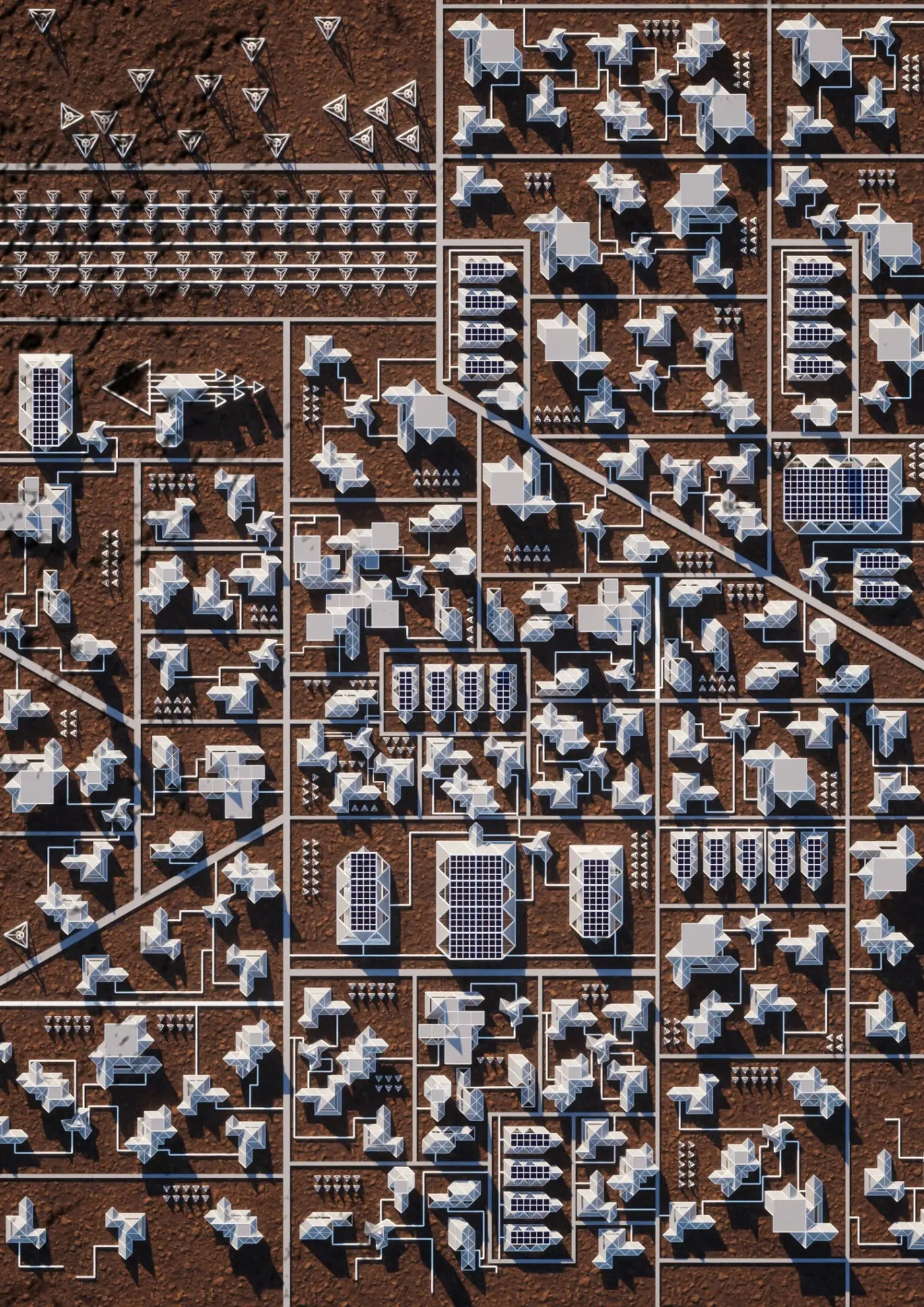
Deploy the habitatNot a masterplan. A growth system.
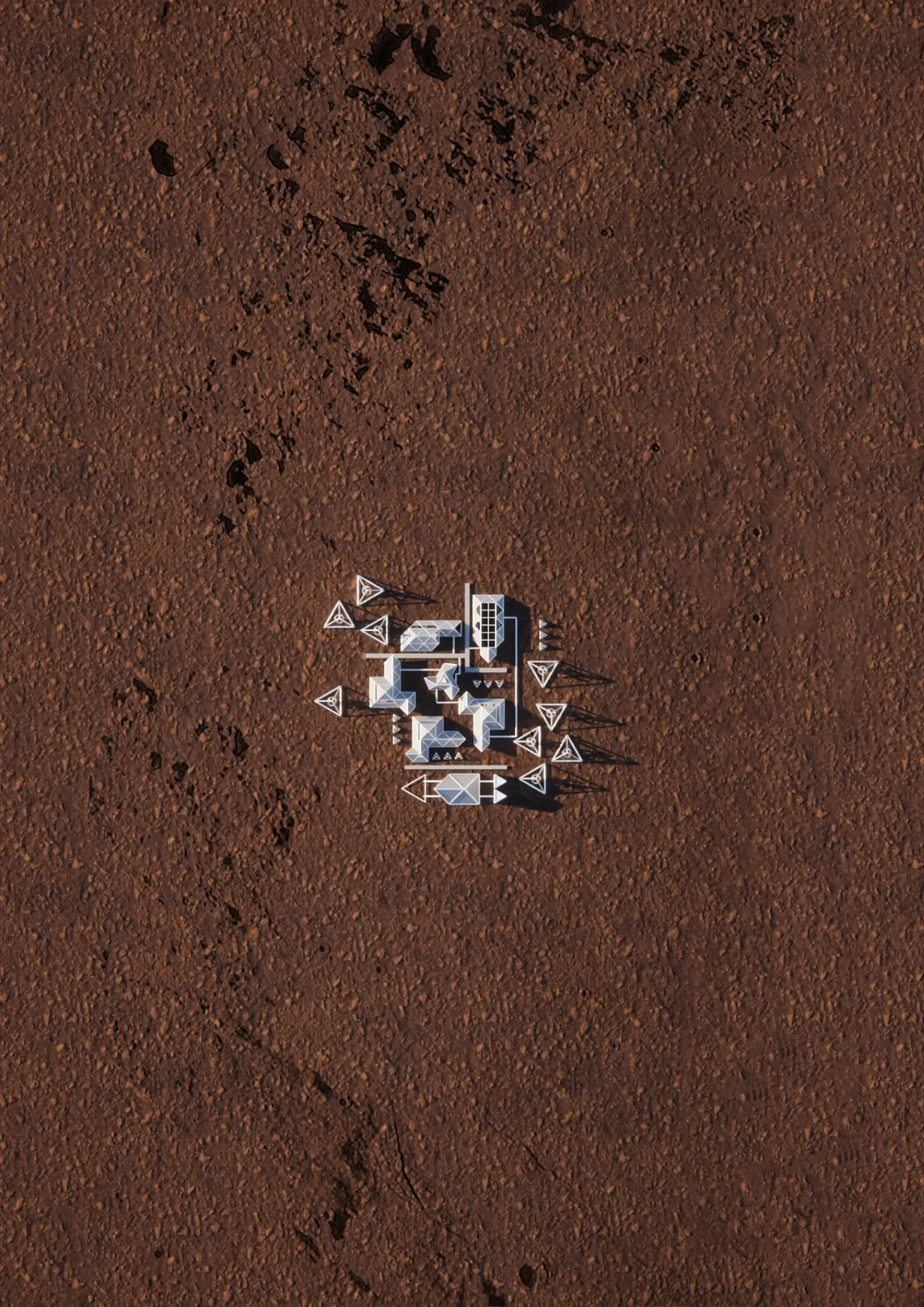
6parametric iterations
4discarded schemes
14modular unit types
3growth transitions
The final city is only the version that survived.
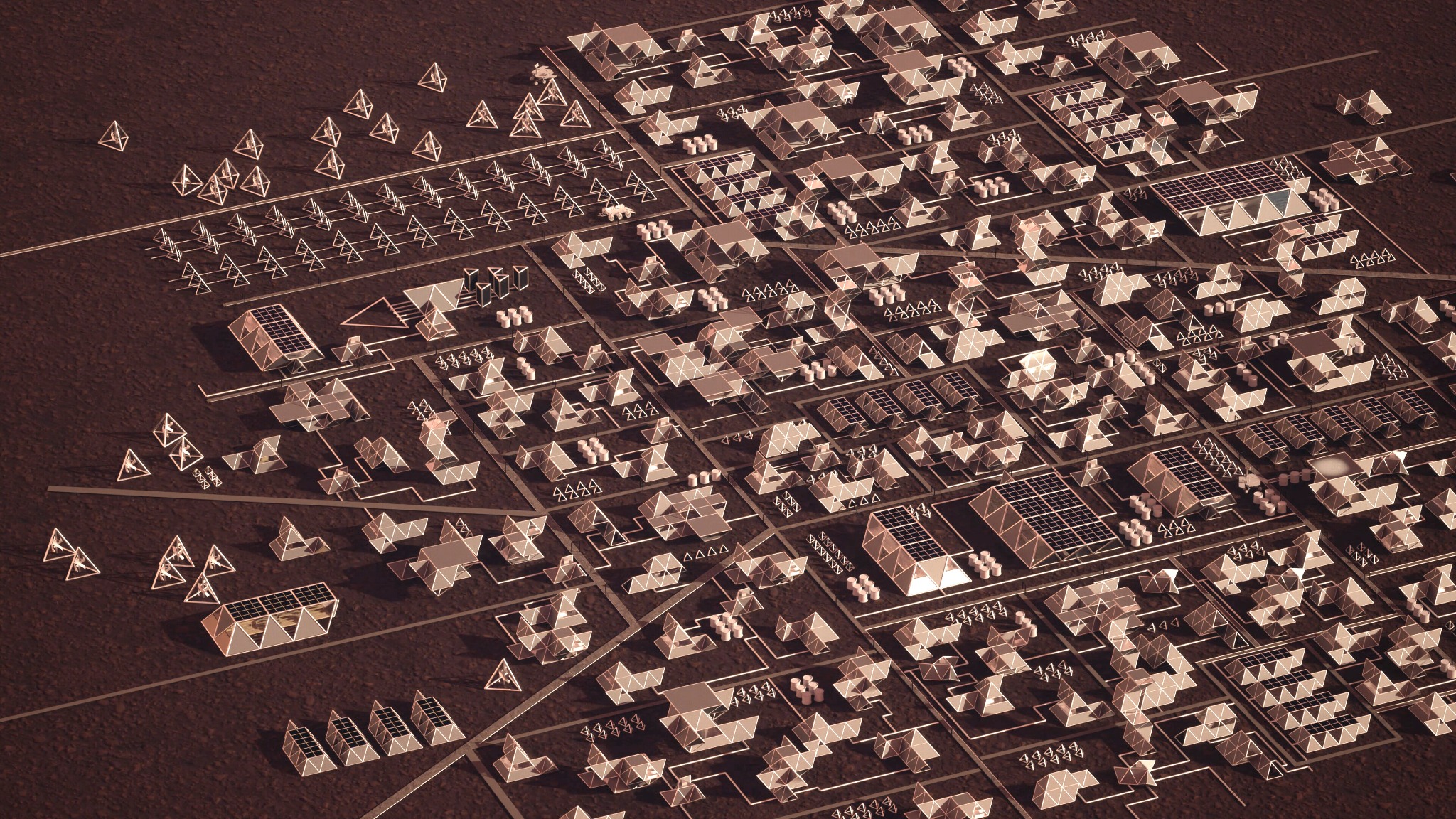 Open full image ↗
A city is more than the multiplication of shelter.
Spread our roots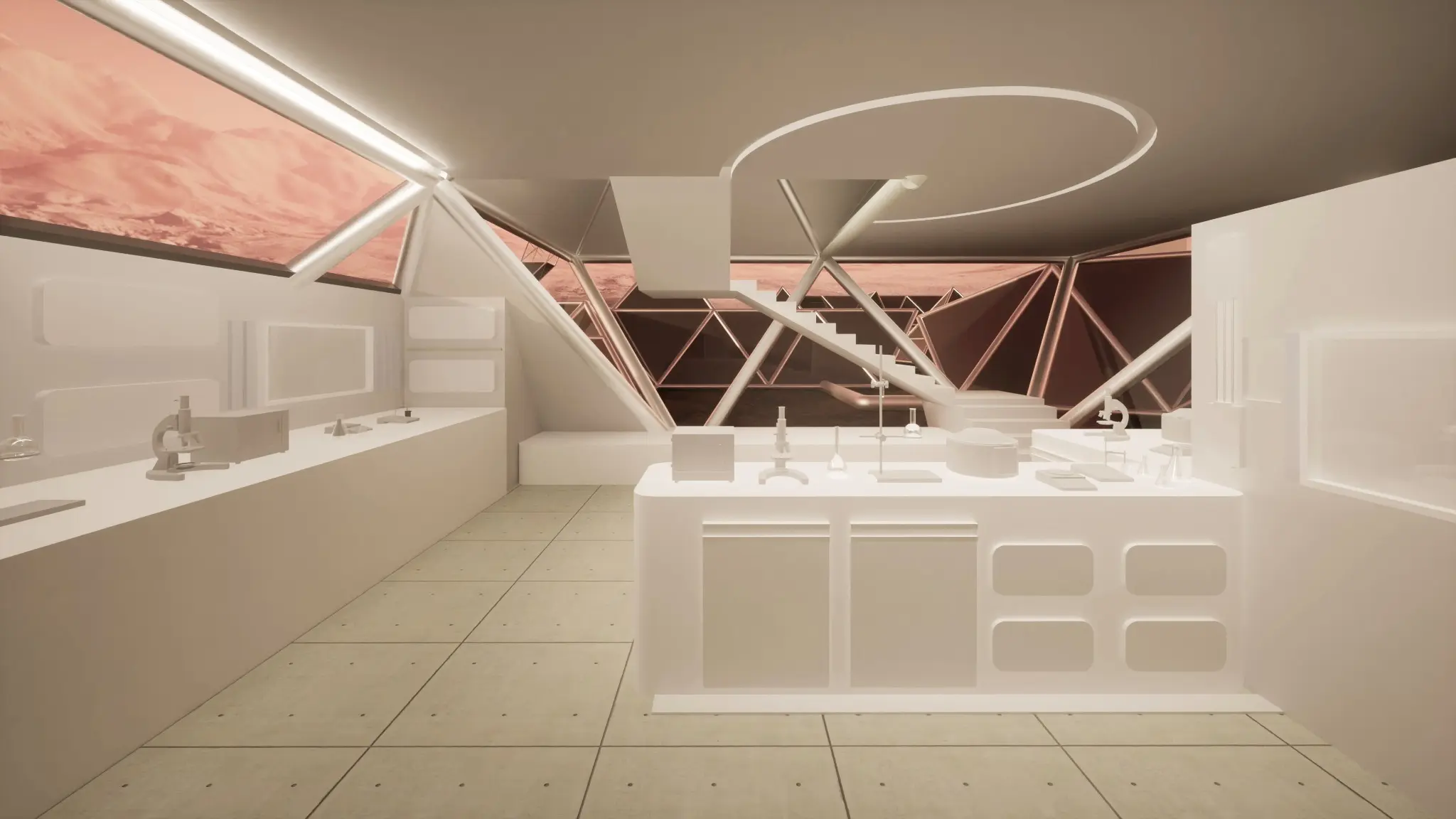
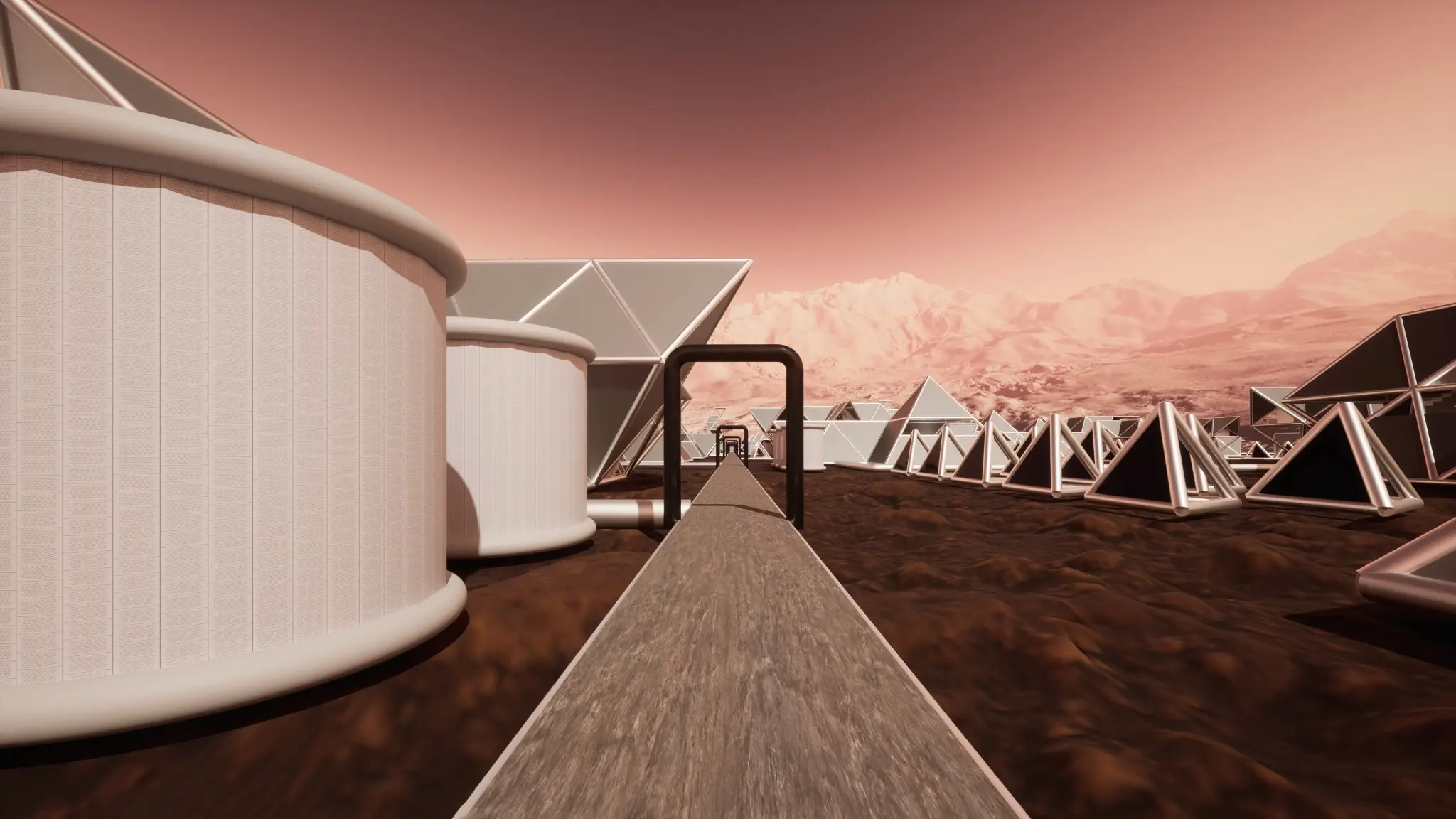
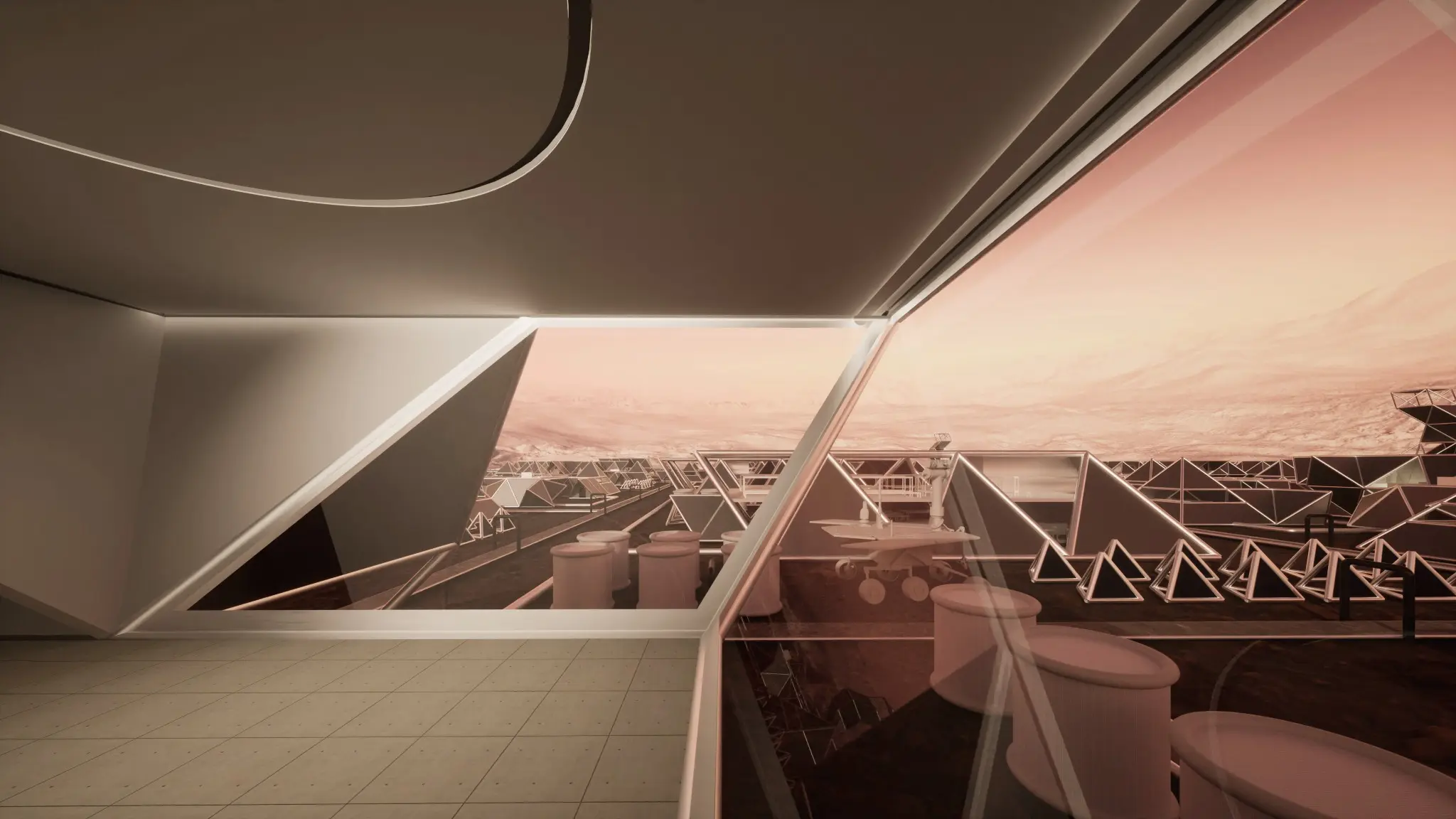
Survival is an engineering threshold.
Belonging is an architectural one.
The project ends here. The question does not.
What comes next?My goal
I want to contribute an architectural and spatial-design perspective to the environments of a multiplanetary future.